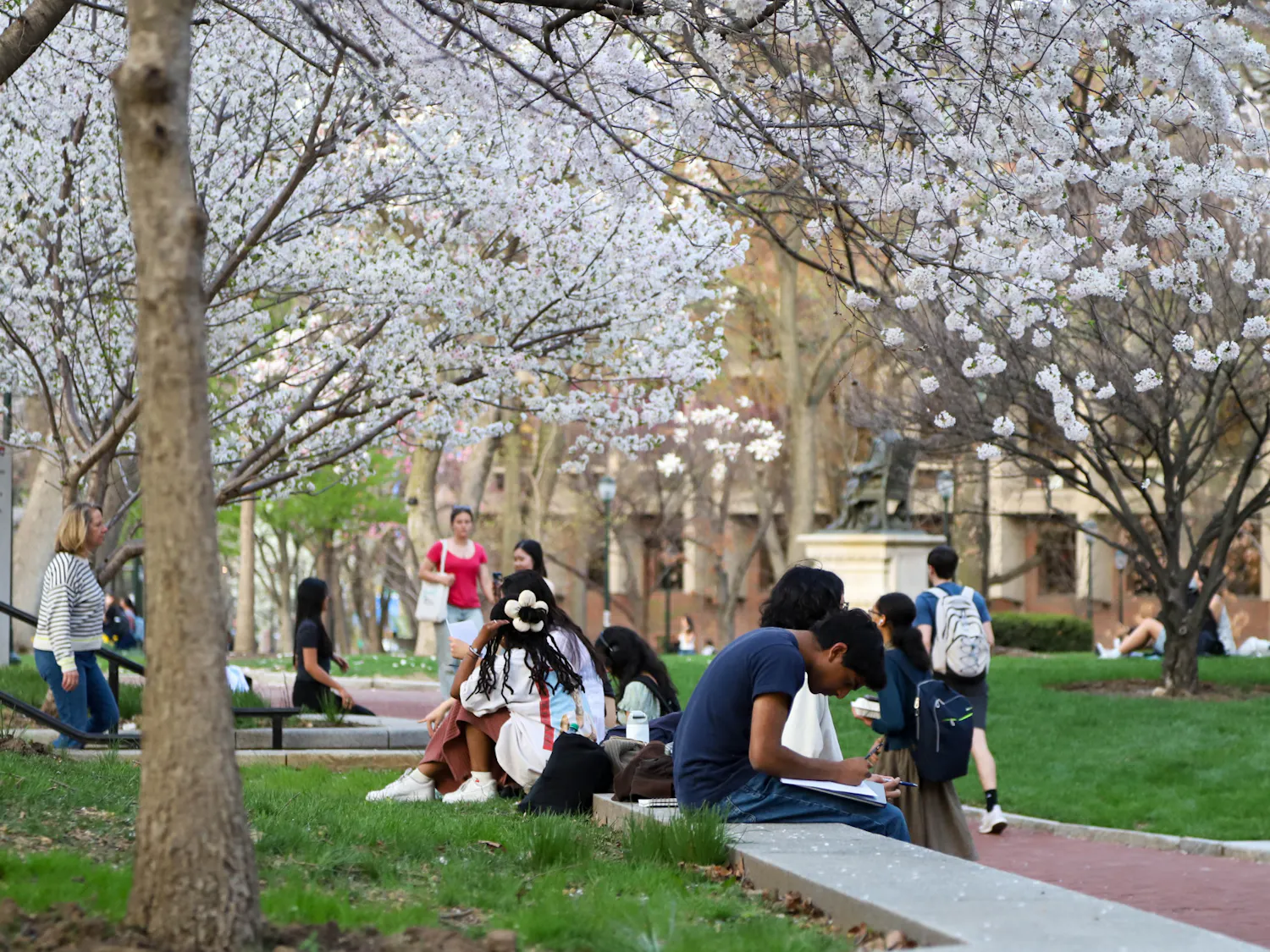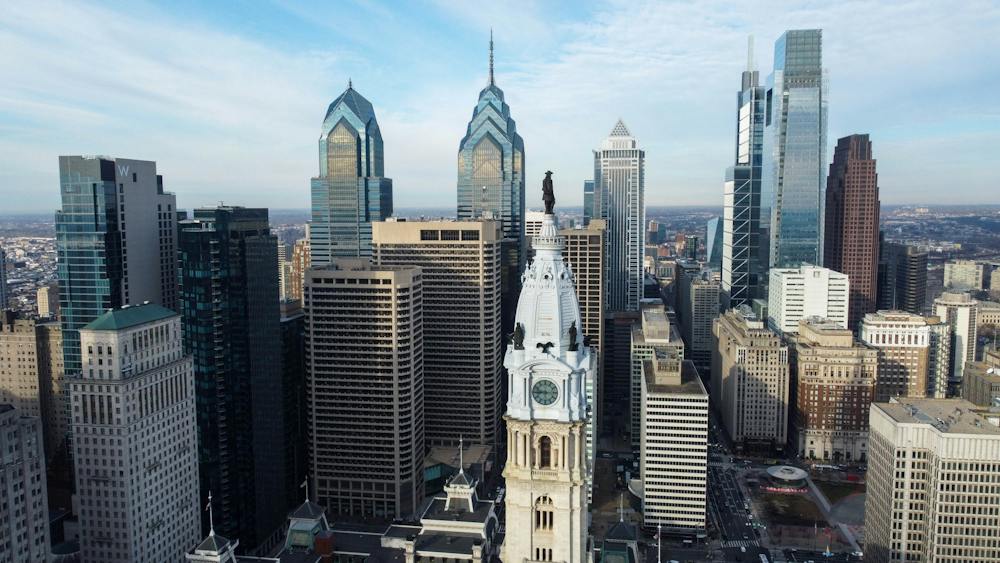
Attending Penn means being located in one of the most historic, culturally diverse, and community-focused cities in the United States. So why do some Penn students remain inside the strict confines of campus?
Penn exists as its own ecosystem: students are able to fulfill all of their needs within the one-mile radius of campus. Penn has its own resources for everything from libraries to hospitals and more. This student-exclusive accessibility creates a clear-cut distinction between what is Penn and what is not. Consequently, many students never feel the desire to explore beyond University City, so they don’t.
When I stopped 42 students on campus and asked about their involvement in Philadelphia, 39 of them said they explored the city beyond campus at an average of zero to one times per week. The city that supports the foundations of our University with its resources, space, and occupational opportunities has been reduced to a background for our degrees.
When asked why, many students told me that they felt unsafe exploring beyond campus. In fact, 36 of them stated that this city was not a safe place for students, despite 41 of them never experiencing a dangerous situation in the city. This stereotype surrounding Philadelphia comes from a place of natural caution, but it perpetuates notions that are simply no longer accurate. Philadelphia has reported a decline in violent crimes recently, noting a year-to-date percentage drop of 4.2% compared to last year, as of August. The city’s homicide rate has also declined significantly since 2016, with a year-to-date decline of 23.76%.
Many fears related to city safety stem from racism. Following a shooting near campus last November, Penn’s Sidechat forum circulated with an immense amount of racist remarks, attributing crime to the presence of Black people in the neighborhood. These comments undermine everything Penn students should stand for in a situation like this. Rather than wishing for the well-being of those involved, or discussing how we can help improve safety protocols in our neighboring communities, students pounced at the opportunity to spew hate speech instead. This behavior illustrates the perspective many students have toward Philadelphia.
As a result of this fear, students miss out on transformational experiences and opportunities that their location has to offer. Philadelphia is one of the most pluralistic cities in the nation, allowing people to fully discover and express their identities without feeling the necessity to conform. Walk off campus and you’ll pass by Italian Market stalls, Ethiopian restaurants, the Gayborhood, and so many other hotspots for community. This freedom can give Penn students the space they need to grow into themselves and their interests, developing a deeper sense of self while being here.
On top of the detriment to Penn students, Philadelphia is harmed by students’ tendency to self-isolate, as well. When people remain in the bubble of campus, it furthers the divide between higher education institutions and neighboring residents. The city faces significant socioeconomic challenges, including housing instability, underfunded school districts, and struggling small businesses. When students do not engage with surrounding neighborhoods, they pass up opportunities to contribute time, skills, and resources that can directly benefit community-led initiatives. Passive student presence can instead lead to gentrification, driving up the cost of living without offering reciprocal value to long-term Philadelphians. This can ultimately create feelings of displacement, neglect, and strain on public infrastructure.
Despite all of this, it’s difficult to move on from stereotypes that originate from fear. Many students come from smaller towns and have little to no experience with city living, so it’s understandable that their fears persuade them to remain within campus borders. However, part of transitioning into adulthood is experiencing new things, even when they are frightening. Penn thrives on involvement with our local community: volunteering through the Netter Center for Community Partnerships, taking Academically Based Community Service courses, and using work-study funding to engage with West Philadelphia are all opportunities for students to slowly immerse themselves into city living and break down the fearful attitudes surrounding it.
Moving to Philadelphia doesn’t have to be a terrifying plunge into the deep end. It can start with small actions of engagement that carry long-term benefits for students themselves and the communities they interact with. You came to this city for a reason, so don’t be an isolated resident contributing to negative stigma and local economic struggles. Work through your fears, go outside, and do your part.
PEARL JOHNSON is a College first year studying psychology from Philadelphia. Her email is pearlspj@sas.upenn.edu.