

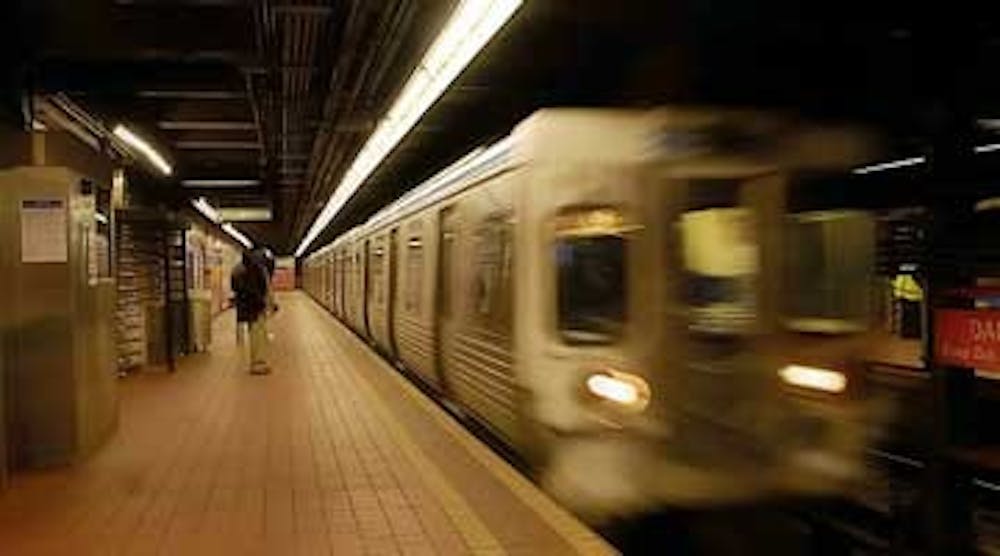
With gas prices still on the rise and many Philadelphia residents choosing to leave their cars at home, SEPTA is stepping up to the challenge of satisfying an increasing number of customers.
In response to this higher demand, SEPTA has implemented a series of new initiatives to accommodate the heavy increase in ridership.
According to SEPTA spokesman Felipe Suarez, the transit agency has recently adjusted train schedules and provided additional vehicles and seating for many of its operating lines.
For example, SEPTA has extended its peak services on the Market-Frankford line by half an hour. The agency has also begun to operate trains during off-peak hours every six minutes, as opposed to every eight minutes before February of this year.
"This equates to about a 12 percent increase in ridership throughout the day," said Suarez.
Additionally, Suarez estimated that SEPTA has provided about 1200 additional seats during peak hours by implementing extra vehicles on four Regional Rail lines, including the R3 West Trenton line and the R5 Lansdale-Doylestown line.
SEPTA attributes the heavy increase in ridership it has experienced in the past eighteen months to the country's skyrocketing gas prices, Suarez added.
Many students agree, saying that using public transportation is preferable to splurging on gas.
The price of having a car today is "definitely expensive," said Engineering sophomore Karen Liao. "If I'm going to be going into the city, I'd rather just take a train."
While rising gas prices also affect transit agencies like SEPTA, Suarez said that so far the increase in rider revenue on SEPTA trains has outstripped the increase in fuel expenses.
SEPTA will collect about $40 million more in fares this year than in previous years while spending only about $10 million more on diesel.
"SEPTA is obviously the better choice," said College sophomore Emily Anderson. "It's cheaper, and faster in the sense that you don't have any traffic to deal with."
This increase in the use of public transportation is not just limited to the Philadelphia area.
"When I'm working this summer I'm going to be driving to the station and taking the train from there because gas prices are soaring," said Anderson, who lives in California.
Suarez is optimistic that SEPTA will continue to see an increase in ridership and revenue. Despite increases in operating calls for gasoline, he said SEPTA is not expected to raise fares in this upcoming fiscal year.
Fuel costs, on the other hand, are only expected to grow.
"From what I've heard . fewer people are going to be able to afford gas at the rate that it's headed," said Anderson. "I know that I personally am going to try to make as few trips as possible using a car."

